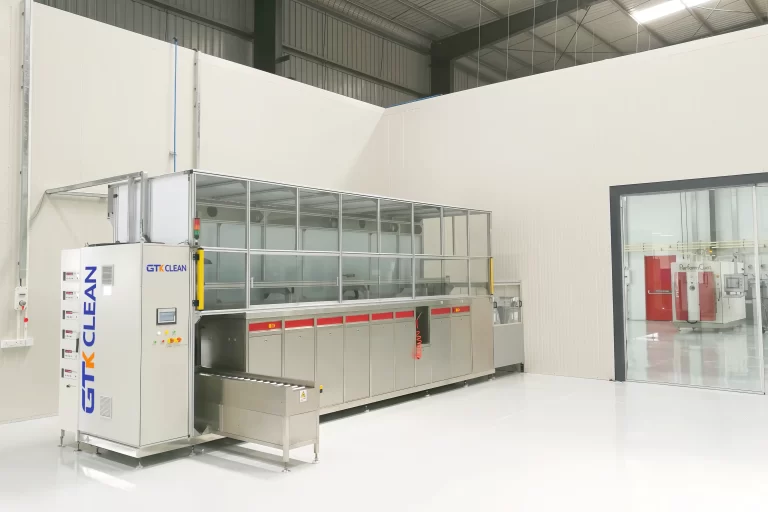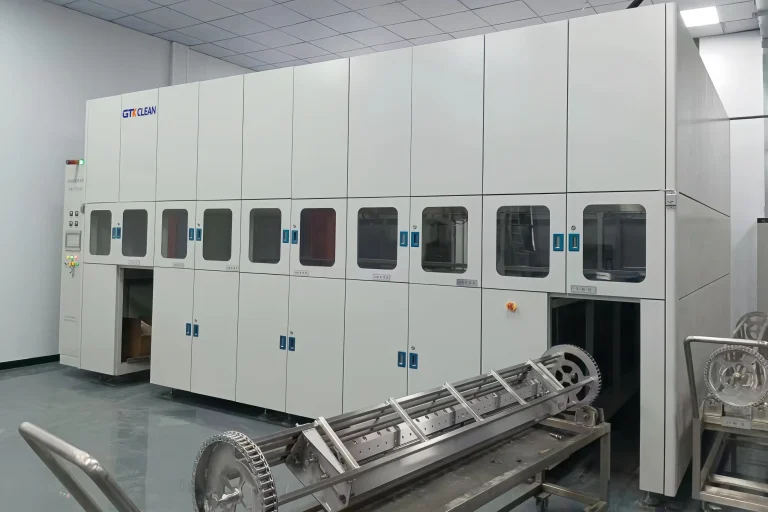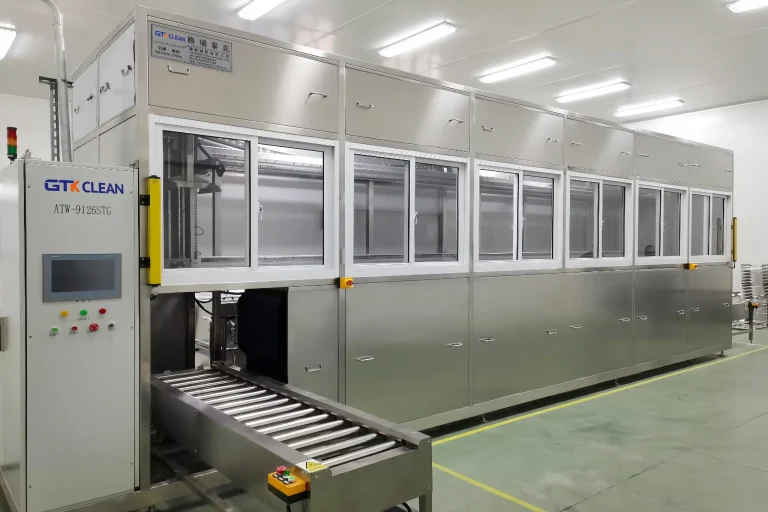
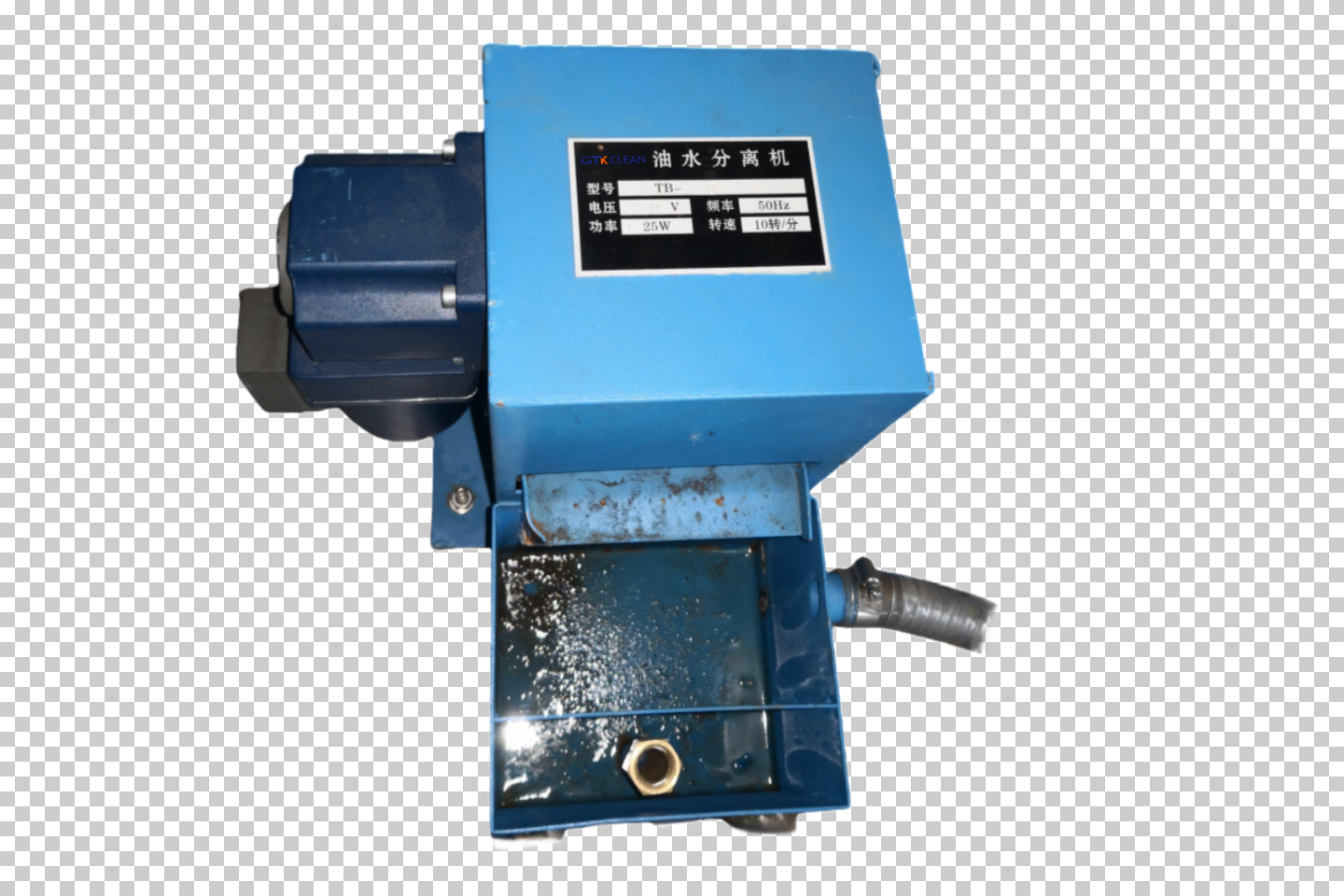
GTKClean engineers oil-water separators for manufacturers that need to remove floating and dispersed oil from aqueous wash fluid to extend bath life and reduce redeposition.
Oil-water separators are designed to remove floating and dispersed oil from aqueous wash fluid to extend bath life and reduce redeposition. Typical applications include machining lines, automotive component washers, ultrasonic tanks and centralized wash systems.
The process is configured from oil type, emulsion stability, flow, tank layout, temperature, separation target and discharge method. Available solutions can integrate skimmers, coalescing media, circulation pumps, level control, collection tanks and timed operation.
GTKClean uses application data and, where appropriate, representative sample parts to define the process before the final equipment configuration is approved.
Confirm oil type, flow rate, emulsion stability, tank layout, required separation efficiency and maintenance access before the equipment or process is finalized.
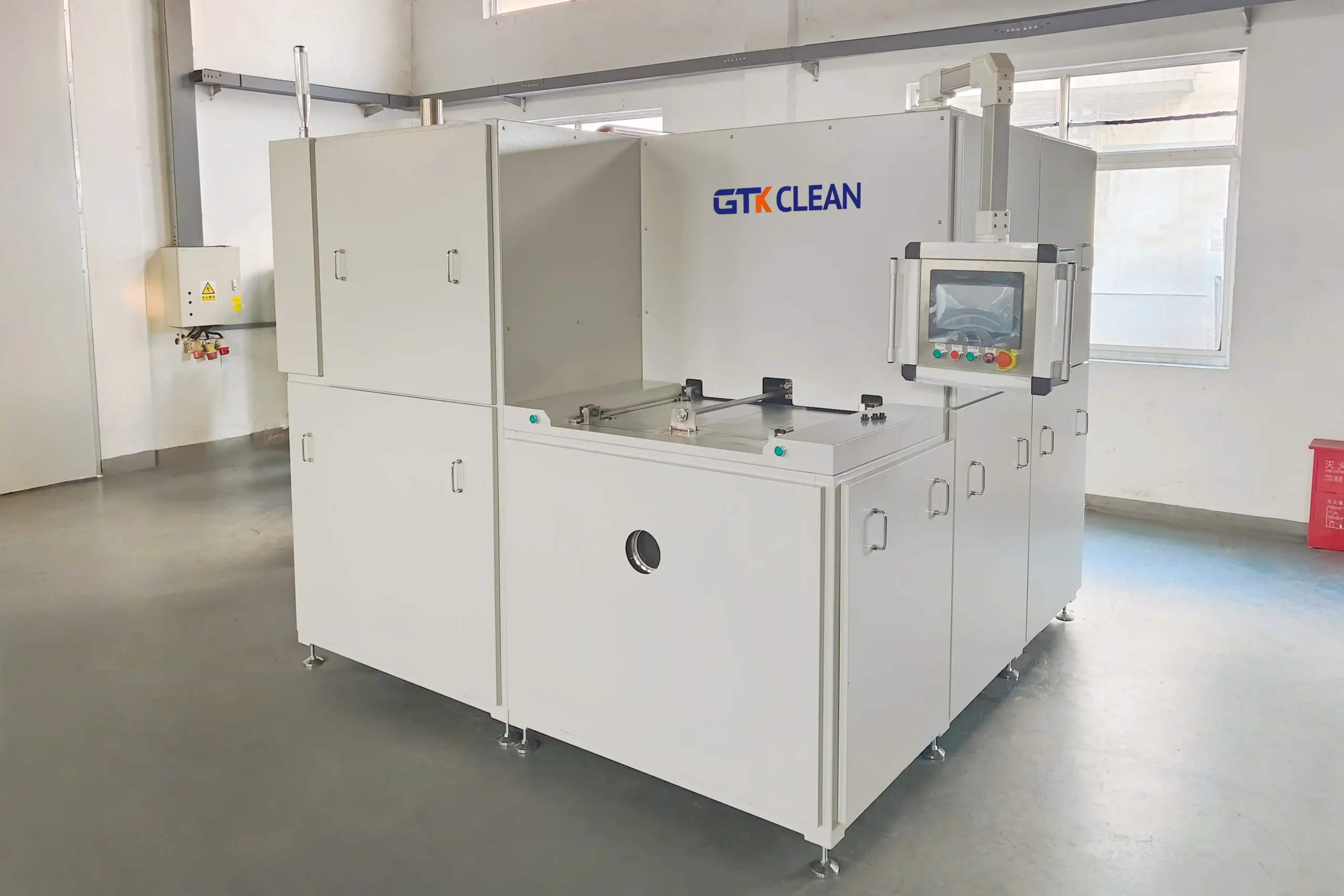
Use representative parts to define how the oil-water separation system will achieve the required result.
Develop the process layout, fluid circuit, controls, safety functions and operator access around the approved requirement.
Fabricate, assemble and inspect the stainless-steel structure, process modules, piping, wiring and handling system.
Run functional and process checks, document the approved configuration, then support installation, training and commissioning.
The process is defined around oil type, emulsion stability, flow, tank layout, temperature, separation target and discharge method, with sample testing available when results need verification.
The system can combine skimmers, coalescing media, circulation pumps, level control, collection tanks and timed operation according to the actual production requirement.
Mechanical, fluid, electrical and control functions are inspected against the approved project documents.
Documentation, commissioning guidance, training, spares and process review support stable long-term operation.
Oil-Water Separator are a strong fit for machining lines, automotive component washers, ultrasonic tanks and centralized wash systems.
The recommended layout depends on oil type, emulsion stability, flow, tank layout, temperature, separation target and discharge method. GTKClean compares process capability, throughput and maintainability before fixing the machine concept.
The equipment is engineered to remove floating and dispersed oil from aqueous wash fluid to extend bath life and reduce redeposition.
A complete configuration can include skimmers, coalescing media, circulation pumps, level control, collection tanks and timed operation, with operating limits documented for the approved application.
Loading height, baskets, fixtures, recipes, traceability, safety circuits and communication interfaces can be adapted to the host production line.
Integration scope is agreed from drawings, signals, utilities, takt time and the responsibilities of each project party.
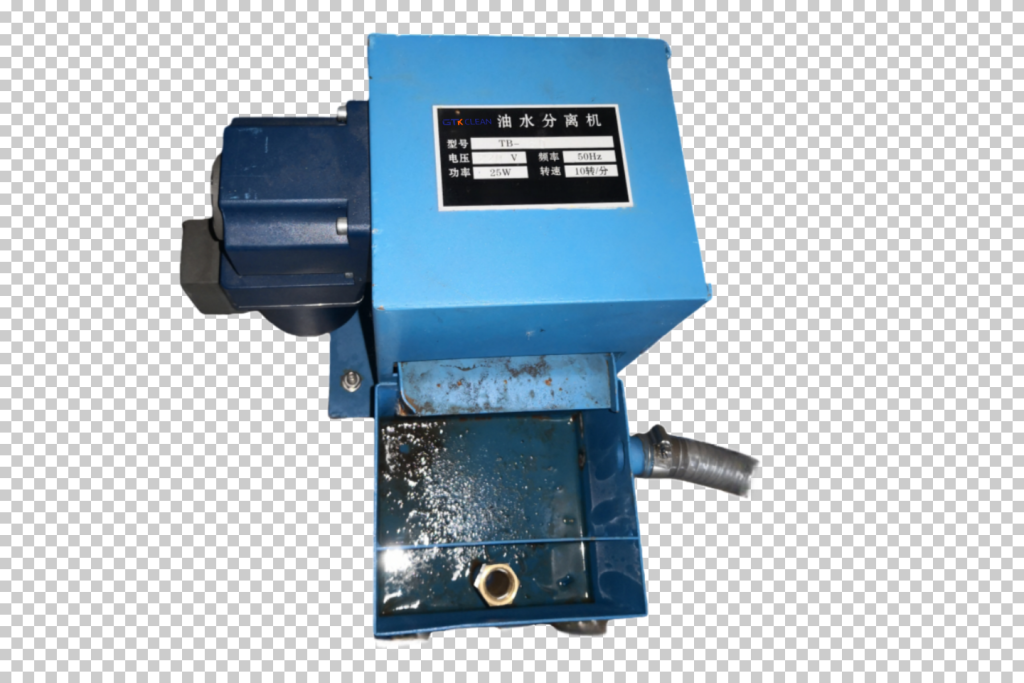
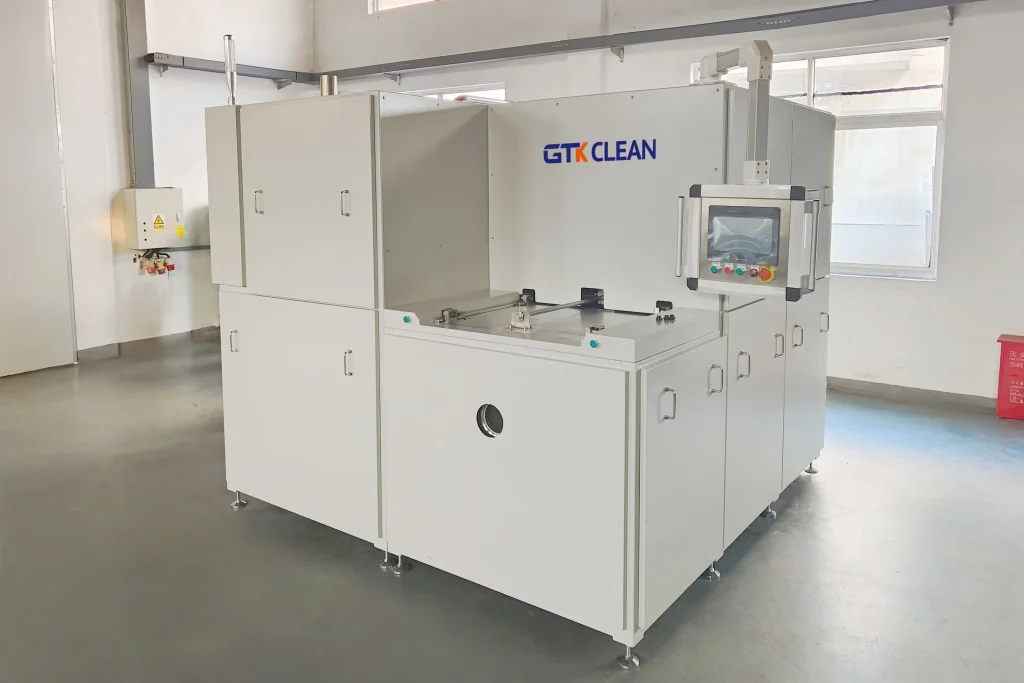
Inspection follows the approved drawings and technical proposal. Typical checks cover fabrication, installed components, piping, wiring, controls, alarms, safety functions and programmed operation.
For this category, acceptance planning should reflect oil type, emulsion stability, flow, tank layout, temperature, separation target and discharge method. When representative parts and a measurable standard are supplied, process trials can be documented before shipment.
The oil collection is sized from the required process capacity, operating conditions and interfaces for this product category.
The coalescing module is sized from the required process capacity, operating conditions and interfaces for this product category.
The circulation pump is sized from the required process capacity, operating conditions and interfaces for this product category.
The level control is sized from the required process capacity, operating conditions and interfaces for this product category.
The discharge and maintenance is sized from the required process capacity, operating conditions and interfaces for this product category.
Send part data, contamination, acceptance criteria and throughput so GTKClean can evaluate the appropriate process and equipment configuration.
Get a Project-Specific Quote
"Every Oil-Water Separator project starts with the part, contamination and acceptance target. The equipment configuration follows the process requirement."
Oil-water separators are selected when manufacturers need to remove floating and dispersed oil from aqueous wash fluid to extend bath life and reduce redeposition. The right solution is defined by the part, contamination and acceptance method—not by tank size or rated power alone.
GTKClean reviews sample parts, production data and factory constraints before proposing a process. This reduces the risk of buying equipment that looks suitable on paper but cannot meet the required cleanliness, throughput or operating cost.
The core process is designed to remove floating and dispersed oil from aqueous wash fluid to extend bath life and reduce redeposition. Depending on the application, a complete cycle may combine skimmers, coalescing media, circulation pumps, level control, collection tanks and timed operation. Each stage has a defined operating window rather than relying on one fixed standard recipe.
Typical uses include machining lines, automotive component washers, ultrasonic tanks and centralized wash systems. Suitability must still be confirmed against material compatibility, hidden geometry, soil loading and the way cleanliness will be measured after processing.
Important inputs include oil type, emulsion stability, flow, tank layout, temperature, separation target and discharge method. These values determine capacity, process sequence, utilities, controls and the level of automation required.
When the cleanliness target is critical, representative sample trials should reproduce the real contamination and inspection method. A visually clean part is not always sufficient for coating, assembly, optical or fluid-system service.
A project can incorporate skimmers, coalescing media, circulation pumps, level control, collection tanks and timed operation. GTKClean selects options only when they contribute to the required result, cycle time, bath stability, operator safety or integration with the production line.
Before delivery, checks can cover fabrication, piping, wiring, controls, alarms, safety interlocks, temperature, circulation and programmed sequences. When sample parts and an agreed test method are available, process results can be included in the factory acceptance plan.
Send this information through the GTKClean project enquiry form for an application-specific process and equipment proposal.