Can You Clean Plastics, Rubber, and Multi-Material Assemblies Safely?
September 27, 2026
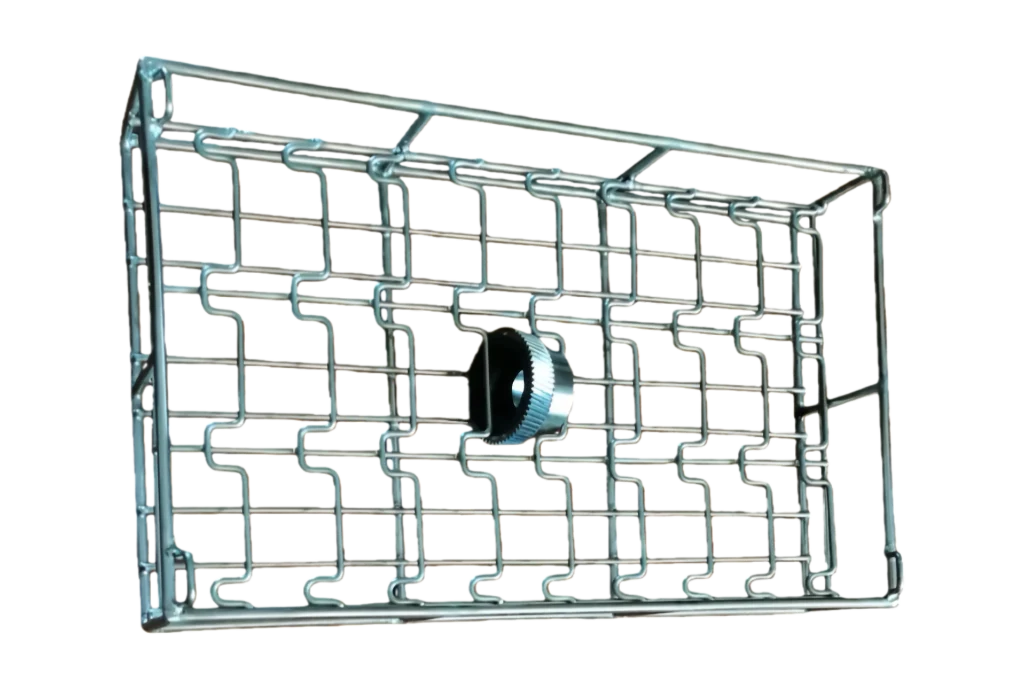
Yes, but only when the cleaning process is designed around the least-compatible material in the part, not the metal comp……

Yes, but only when the cleaning process is designed around the least-compatible material in the part, not the metal comp……
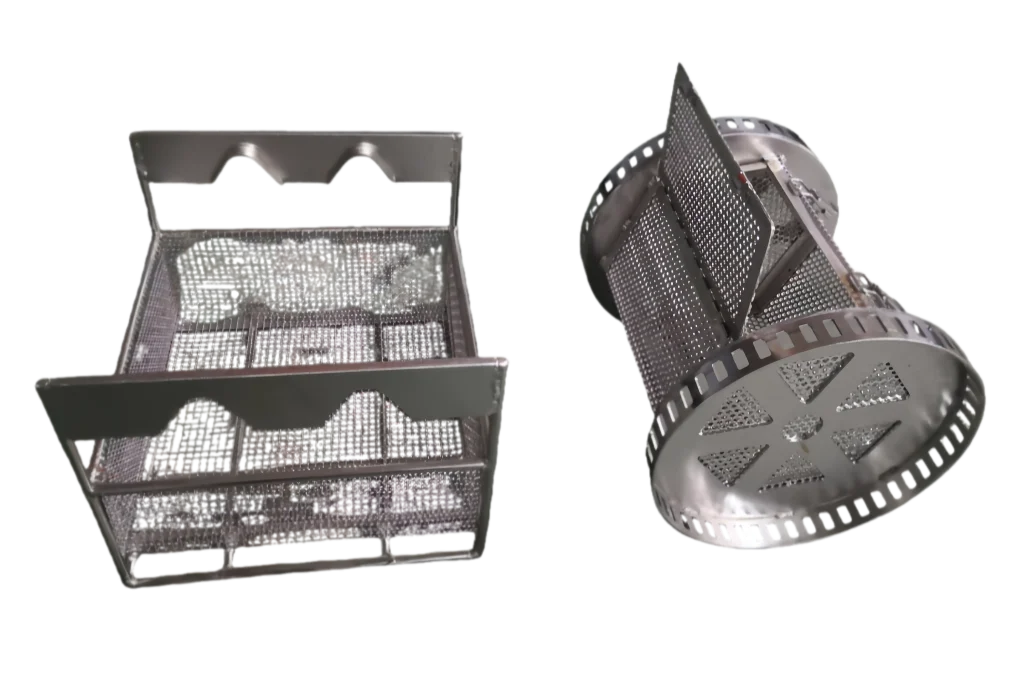
Ultrasonic cleaning uses the same cavitation mechanism whether the load is stainless steel, titanium, or ceramic. The pr……
Copper and brass clean beautifully in ultrasonic systems — until the wrong detergent, aggressive cavitation, or an unfil……
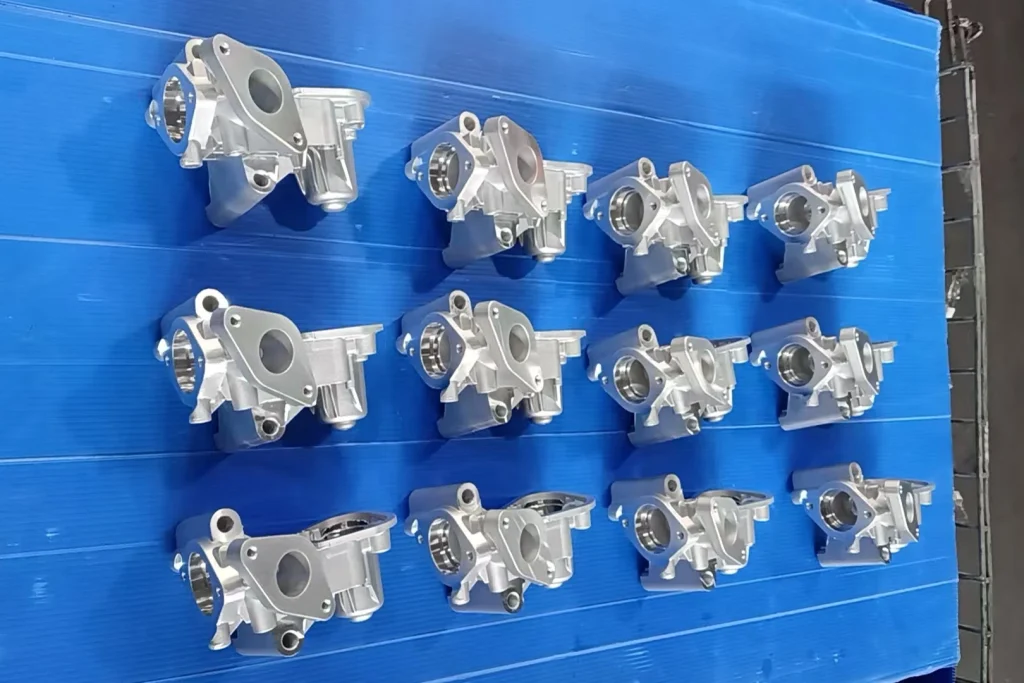
Aluminum parts fail during cleaning not usually because they are hard to clean, but because they are easy to overprocess……
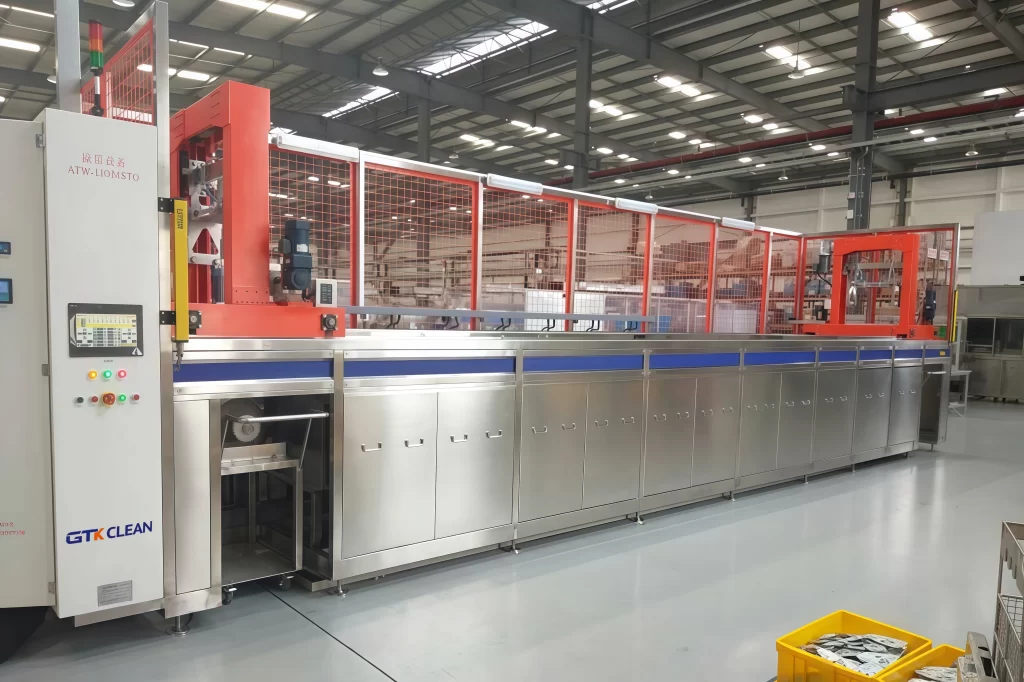
Ultrasonic cleaning time is not a number that can be read from a wall chart. The right answer depends on part geometry, ……
Temperature is one of the most misunderstood variables in ultrasonic cleaning. Operators often raise the heat to dissolv……
Ultrasonic cleaning is often seen as a low-risk surface preparation method because it removes contamination without mech……
Frequency is the process variable that most directly changes how cavitation behaves in an ultrasonic cleaning tank. A 25……
On many production cleaning lines, sweep and pulse are treated as secondary generator settings, but they often determine……
Most precision cleaning problems get blamed on detergent, temperature, or frequency when a fresh ultrasonic tank cleans ……