Ultrasonic Cleaning for Stainless Steel, Titanium, and Ceramic Parts
Table of Contents
- How Substrate Properties Change the Cleaning Window
- Stainless Steel: Chemistry, Temperature, and Passivation Control
- Titanium: Preventing Water Stains and Discoloration
- Ceramics: Frequency Selection and Fixture Protection
- Shared Process Controls for Mixed-Material Loads
- Cleaning Verification and Drying
- Request a Process Recommendation
- FAQ
- Can ultrasonic cleaning crack ceramic parts?
- Which frequency is best for titanium?
- Is stainless steel safe in an ultrasonic cleaner?
- Why are my titanium parts coming out discolored?
- Can you put ceramics and metals in the same ultrasonic bath?
- How long should stainless steel, titanium, and ceramic parts be cleaned?
- References
Ultrasonic cleaning uses the same cavitation mechanism whether the load is stainless steel, titanium, or ceramic. The process window is not the same, however. Substrate chemistry, surface oxide behavior, thermal sensitivity, and mechanical brittleness all change how much frequency, temperature, chemistry, and fixturing should be applied.
Stainless steel generally tolerates a wide cleaning window but can develop water spots, chloride-induced staining, or passivation damage if the rinse and drying steps are not controlled. Titanium is less forgiving: it stains easily, oxidizes at moderate temperatures, and can be attacked by aggressive alkaline or acidic chemistries. Ceramics introduce a different problem set. Many technical ceramics are stiff and hard, but low fracture toughness makes them vulnerable to contact damage, resonant vibration, and thermal shock.
How Substrate Properties Change the Cleaning Window
Cavitation intensity at a given frequency is influenced by tank power, dissolved gas, fluid temperature, and the shape of the part. Material response then determines whether that cavitation energy is productive or damaging.
Stainless steel has a chromium oxide passivation layer that resists most neutral and alkaline cleaning solutions. The main risks are chloride attack, water spotting from hard rinse water, and redeposited iron from tooling or baskets. Titanium forms a titanium oxide layer that is chemically resistant but visually sensitive. Overheated cleaning baths, contaminated detergents, or acid descalers can leave brown, blue, or straw-colored discoloration. Dense ceramics such as alumina and zirconia are chemically resistant, but porous or glazed ceramics can absorb surfactant residues, and thin sections can crack when exposed to thermal shock or intense low-frequency cavitation.
Stainless Steel: Chemistry, Temperature, and Passivation Control
For most stainless steel loads, an alkaline detergent at pH 9–12 with corrosion inhibitors is effective for cutting oils, stamping compounds, and light oxides. Temperatures between 50°C and 70°C improve oil emulsification, but temperatures above 75°C may accelerate scale formation in hard water and increase drying stains.
The passivation layer is the reason stainless steel resists corrosion, so the cleaning process should preserve it rather than strip it. Chlorinated solvents and high-chloride cleaners should be avoided unless the tank and rinse system are carefully designed to prevent chloride concentration. After aggressive cleaning or acid descaling, a citric acid passivation step may be required to restore a uniform oxide surface [1].
Rinsing is just as important as cleaning. A final reverse-osmosis or deionized water rinse reduces mineral residues, and hot-air or vacuum drying prevents water spots. If parts are destined for vacuum components, medical devices, or oxygen service, the final rinse should meet the conductivity and residue requirements of the product specification.
Stainless steel grades respond differently to detergent pH and inhibitor packages. <How to Select the Best Cleaning Solution for Metal Parts> covers detergent selection for ferrous and non-ferrous alloys.
Titanium: Preventing Water Stains and Discoloration
Titanium requires a conservative process. A non-chlorinated alkaline cleaner at pH 8–10 is usually safest for general degreasing. The bath temperature should stay between 45°C and 60°C. Higher temperatures can accelerate surface oxidation, especially when parts are exposed to air during transfer or drying.
Discoloration after titanium cleaning is often caused by alkaline residues, fluoride contamination, or acid exposure. If oxide removal is required, a controlled acid pickle using a titanium-specific formulation may be used, but the process must be validated for the specific alloy [2]. Improper pickling can generate hydrogen pickup and a rough, darkened surface.
Frequency also matters. For titanium parts with thin walls, threads, or polished surfaces, 40 kHz is generally a better starting point than 25 kHz or 28 kHz because it reduces the impact energy of individual cavitation events. Complex titanium components with blind holes may still need multi-frequency processing, but the cycle should start with the highest practical frequency for the contamination.
Titanium and stainless steel often appear in the same assembly, but their frequency and chemistry limits differ. <Optimize Ultrasonic Frequency for Diverse Materials> covers frequency selection for mixed-material industrial loads.
Ceramics: Frequency Selection and Fixture Protection
Ceramics include dense technical materials such as alumina, zirconia, silicon nitride, and silicon carbide, as well as porous or glass-bonded ceramics. The cleaning approach must distinguish between them.
Dense ceramics can usually handle ultrasonic energy well, but low-frequency systems operating at 20–25 kHz may cause edge chipping or micro-cracking at sharp corners. For ceramic parts, 40 kHz to 80 kHz is a safer operating range. Power density should be moderate rather than maximum, especially for thin substrates, ceramic-coated assemblies, or parts with metallized surfaces.
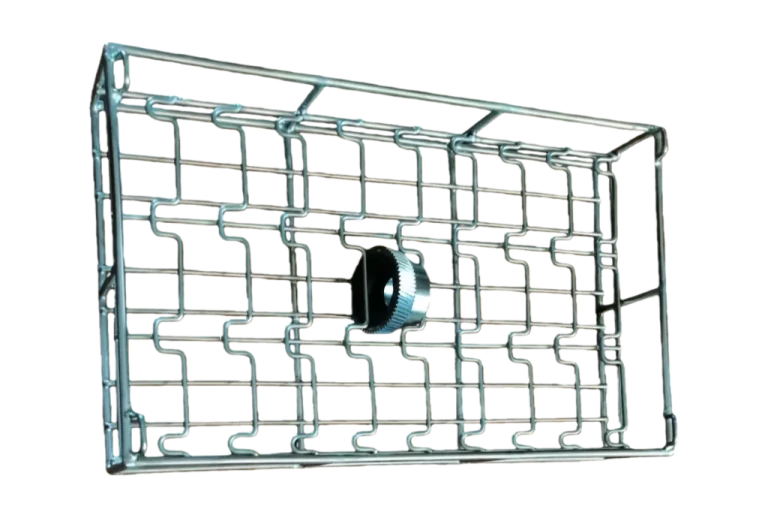
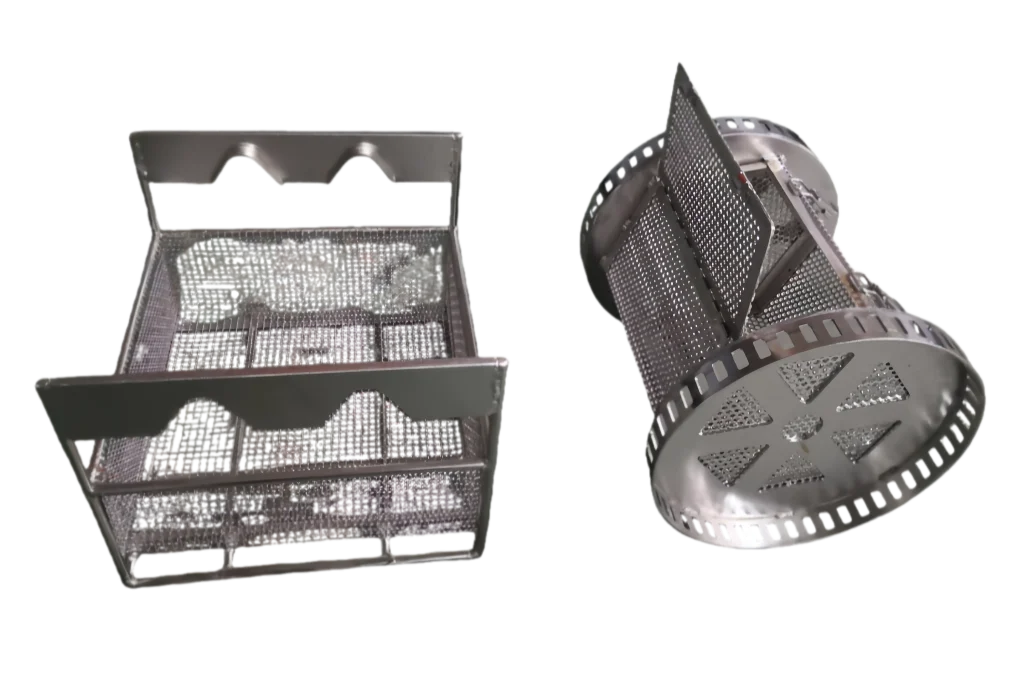
Fixture design is the most important protection against ceramic part damage. Parts should not touch each other or the tank bottom. Polypropylene or PTFE-coated baskets, soft separators, and slow basket rotation reduce contact damage. Porous ceramics require extended rinse time because surfactants can enter open pores and later leach out as residue.
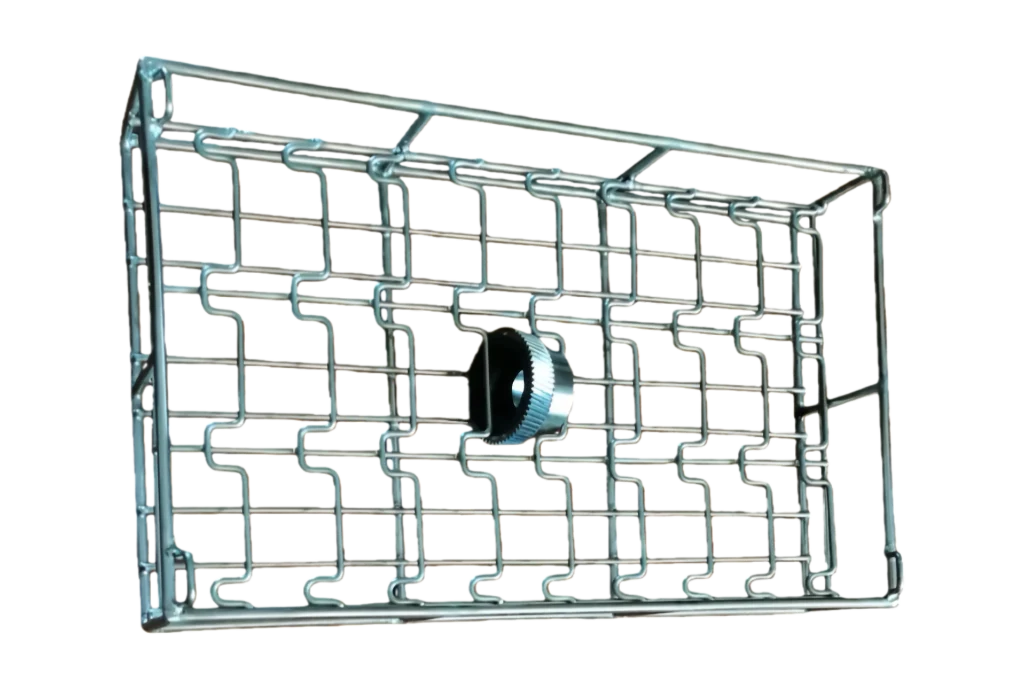
Ceramic parts fail more often from mechanical contact than from cavitation alone. <Industrial Cleaning Baskets: Why They Matter for Your Parts Washing Efficiency> covers basket selection for delicate and complex workpieces.
Shared Process Controls for Mixed-Material Loads
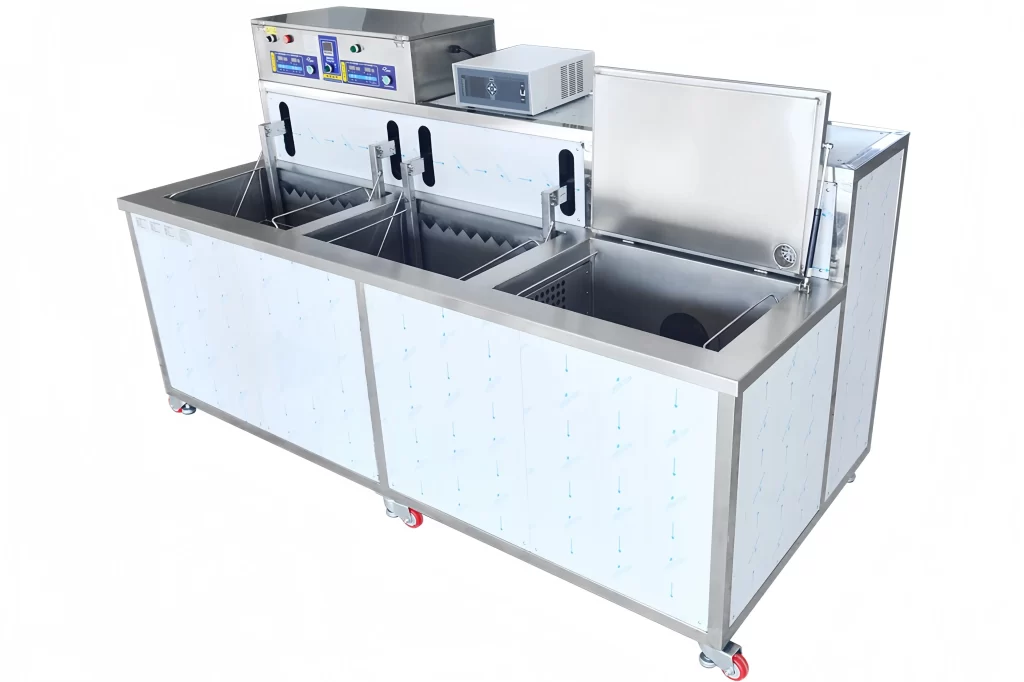
When stainless steel, titanium, and ceramics are cleaned in the same machine, process control becomes critical. The default should not be the most aggressive cycle; it should be the mildest cycle that still removes the target contamination.
For mixed-material work, start with 40 kHz, 45–55°C, and a chloride-free alkaline detergent with a concentration at the lower end of the supplier range. Degas the solution before processing because dissolved air cushions cavitation and makes cleaning inconsistent [3]. Use sweep mode where available to reduce standing waves and improve energy distribution.
Tank and rinse sequence also matters. A typical safe sequence for mixed loads is ultrasonic wash, tap or RO rinse, final DI rinse, and low-temperature drying. Ceramics should not move directly from a hot bath to a cold rinse because thermal shock can fracture thin sections.
The following starting window works for many precision loads:
- Frequency: 40 kHz, with optional 80 kHz for ceramics or thin titanium sections
- Temperature: 45–55°C for mixed loads; 55–65°C for stainless-only degreasing
- Cleaning time: 3–6 minutes in the main bath, adjustable by contamination
- Detergent: non-chlorinated alkaline, pH 8–10, inhibited for non-ferrous alloys
- Rinse: RO water followed by DI water for final rinsing
- Drying: warm air or vacuum for blind holes and porous ceramics
Cleaning Verification and Drying
For stainless steel and titanium, visual inspection should confirm that the surface is free of oil, water spots, and color change. If white-glove testing is required, the part should leave no visible residue. For ceramics, residue detection can be more difficult because porosity may release detergent later. A cleanroom wipe test, dye test, or thermal outgassing check may be necessary for critical ceramic components.
Drying must be matched to the substrate. Stainless steel can tolerate moderate heat, but titanium should be dried below 60°C to avoid thermal color change. Porous ceramics should dry long enough for trapped water to leave the pore network. Vacuum drying is effective for parts with blind holes, narrow gaps, and porous materials.
Get a validated cleaning recipe for your material mix by sending the part alloy or ceramic grade, drawings, contamination type, batch weight, and required cleanliness level to [email protected]. Include current cleaning issues and production rate so the cycle can be specified around your process window.
Request a Process Recommendation
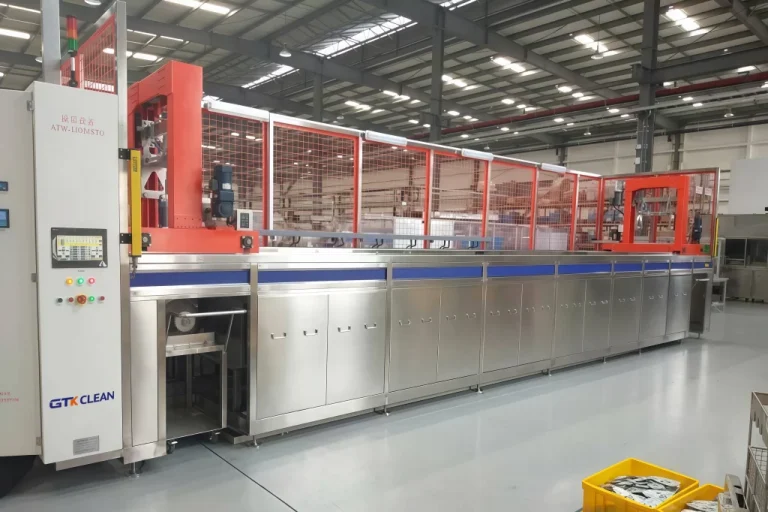
If you are cleaning stainless steel, titanium, ceramic, or mixed-material assemblies, the safest route is to qualify the process on your actual parts. At GTKCLEAN, we design ultrasonic, solvent, and multi-tank cleaning systems for precision industrial applications. Our engineers use 20+ years of cleaning system development and 28 technical patents to match frequency, chemistry, rinsing, and drying to the substrate.
To receive a process recommendation, send the following to [email protected]:
- Part material, alloy, or ceramic grade
- Part dimensions, weight, and geometry
- Contamination type and current cleaning method
- Required cleanliness specification or inspection method
- Production rate or batch size
Our team can support with cleaning trials, process validation, and automated system design for industrial deployment.
FAQ
Can ultrasonic cleaning crack ceramic parts?
It can if the process is too aggressive. Thin ceramic sections, sharp corners, and porous ceramics are most at risk from low-frequency cavitation, thermal shock, and part contact. Use 40–80 kHz, moderate power, soft fixturing, and gradual rinse temperature changes.
Which frequency is best for titanium?
40 kHz is a practical starting point for most titanium parts. It provides good cleaning for oils and light oxides while reducing the risk of surface impact damage and discoloration compared with 25 kHz or 28 kHz.
Is stainless steel safe in an ultrasonic cleaner?
Yes, most stainless steel grades are compatible with ultrasonic cleaning. The important controls are a non-chlorinated detergent, proper bath temperature, a clean rinse, and fast drying to prevent water spots. Passivation may be needed after aggressive cleaning.
Why are my titanium parts coming out discolored?
Titanium discoloration usually comes from alkaline residues, excessive bath temperature, fluoride or chloride contamination, or an unsuitable acid pickle. Reduce temperature, verify the detergent chemistry, and improve rinsing before treating the discoloration as a cleaning failure.
Can you put ceramics and metals in the same ultrasonic bath?
Yes, but the process must be set for the most sensitive material in the load. Keep parts separated, use 40 kHz or higher, avoid chloride-bearing cleaners, and make sure the rinse step removes detergent from porous ceramics.
How long should stainless steel, titanium, and ceramic parts be cleaned?
A typical initial cycle is 3–6 minutes in the main ultrasonic bath for light to moderate contamination. Heavy oils, blind holes, porous ceramics, or high cleanliness requirements may require longer wash cycles, multiple tanks, or a basket rotation system.
References
[1] ASTM A967/A967M-17, Standard Specification for Chemical Passivation Treatments for Stainless Steel Parts, ASTM International, 2017.
[2] ASTM B600-22, Standard Guide for Descaling and Cleaning Titanium and Titanium Alloy Surfaces, ASTM International, 2022.
[3] B. Kanegsberg and E. Kanegsberg, Handbook for Critical Cleaning, 2nd ed., CRC Press, 2011.
If you’re interested, check out these related articles:
Ultrasonic Cleaning systems for Pre PVD (Coating) Parts
Recommended Optimum Cleaning Temperature for Ultrasonic Cleaning Equipment (Including Special Guidance for Aluminum Parts and Polishing Wax)
Manual Ultrasonic Cleaning Systems: Applications and Limitations Guide
Parts Washer Selection: A Manufacturer’s Definitive Guide
What Is the Principle of an Ultrasonic Cleaning Machine?