Ultrasonic Degassing: The Step You’re Skipping Before Cleaning
Table of Contents
- Why Dissolved Gas Weakens Cavitation
- How Degassing Works at the Bubble Level
- Signs You Are Skipping Degassing
- Degassing Procedure That Works
- Variables That Change Degassing Time
- Degassing in Production Equipment
- Plan Your Degassing Protocol With GTK
- Frequently Asked Questions
- Do I Need to Degas Every Time I Change the Cleaning Solution?
- How Long Should I Run the Degas Cycle on a Freshly Filled Tank?
- Can I Degas With Parts Already in the Basket?
- Does Hot Water Degas Faster Than Cold Water?
- References
Most precision cleaning problems get blamed on detergent, temperature, or frequency when a fresh ultrasonic tank cleans poorly. In many cases, the real issue is dissolved gas. Fresh water and many solvents contain air; until that air is removed, cavitation is partial and weak. Degassing is not an optional warm-up—it is the step that makes the same machine produce reliable cleaning results.
Why Dissolved Gas Weakens Cavitation
Ultrasonic cleaning relies on acoustic cavitation: alternating pressure waves form bubbles, then drive them into violent collapse. In a freshly filled tank, dissolved air can dominate these bubbles. Instead of collapsing sharply, gas-filled bubbles compress and rebound, cushioning the implosion and reducing the mechanical cleaning action at the part surface [1][4]. The tank may look active, but the energy delivered to blind holes and threads is much lower than expected.
Dissolved gas also scatters acoustic energy and increases dampening. That is why a foil test run before degassing often shows shallow or uneven pitting, while the same tank perforates foil cleanly after a proper degas. The foil test is a simplified analog of the cavitation aggressiveness measured in standardized cavitation erosion methods [3]. The difference is not extra power; it is the removal of gas from the liquid.
Once the cavitation field is stable, the same ultrasonic energy reaches recessed surfaces more consistently. <What Is Ultrasonic Wave?> covers the physical basis of that energy transfer in detail.
How Degassing Works at the Bubble Level
Degassing uses the ultrasonic field itself to strip dissolved gas from solution before parts are loaded. During a degas cycle, the generator typically runs at reduced power or in a pulsed mode, creating bubbles that grow and rise to the surface rather than imploding against components. The visible stream of rising bubbles is dissolved gas leaving the liquid.
When the bubble population stabilizes and the tank produces a sharper, crackling sound, cavitation is reaching a more effective state. The degassing threshold and bubble growth behavior are pressure- and temperature-dependent [2]. In practice, degassing should happen at working temperature whenever possible, because gas solubility falls as temperature rises and release becomes faster.
Signs You Are Skipping Degassing
The symptoms are often misread as chemistry or equipment problems:
- The foil test shows only faint craters after 30–60 seconds.
- Large bubbles stream from the liquid surface, but the high-frequency hiss is weak.
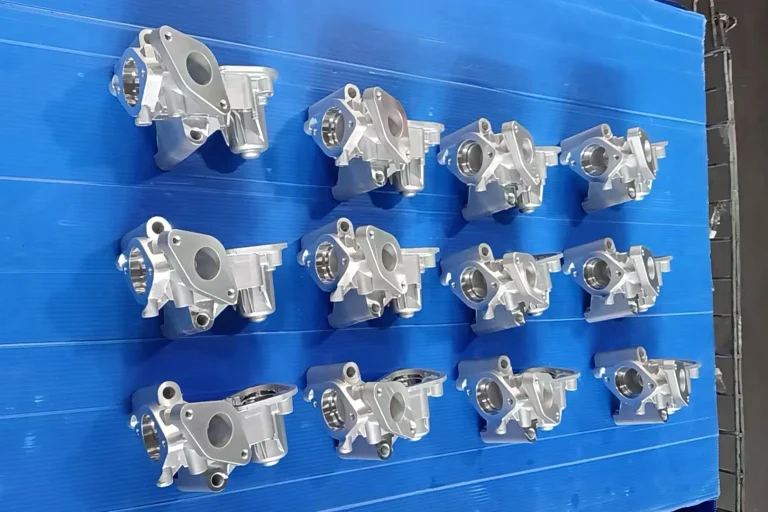
- Blind holes, threads, and recesses carry residue after the normal cycle.
- Results improve after the tank has run empty for several minutes.
- Cleaning quality varies after fresh solution is added.
If these patterns appear, degas the solution before changing detergent or increasing temperature.
Degassing Procedure That Works
First, fill the tank to the working level and bring the solution close to operating temperature. If the generator has a degas mode, activate it before loading parts. In many systems, degas mode uses lower power or periodic sweeping to release dissolved gas without creating overly violent cavitation.
If the equipment does not have a dedicated degas function, run the tank empty in short pulses. Stop when the visible outgassing slows and the ultrasonic sound becomes sharper and more uniform. In a multi-tank line, degas the wash tank before the first batch and repeat after large refills or weekend shutdowns.

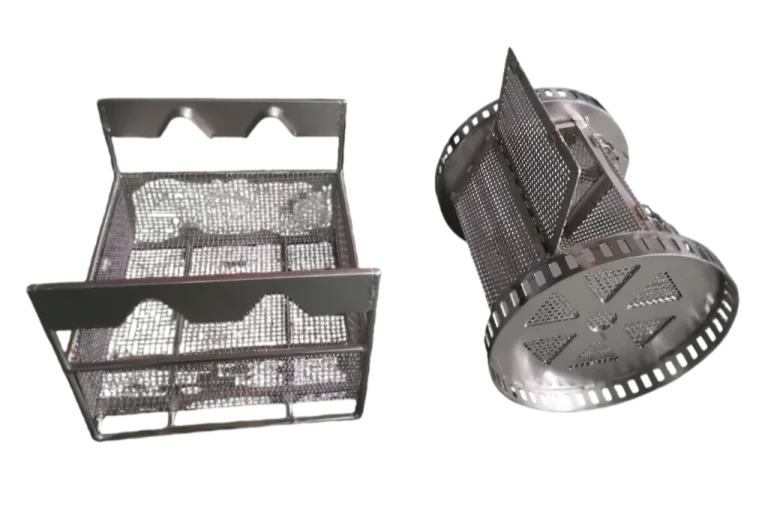
For inline or rotary basket systems, include degassing in the shift-start checklist and after any solution change. The goal is the same: stabilize cavitation before the first production part enters.
Variables That Change Degassing Time
Solution temperature is the most important variable. Cold water and cold solvent hold more dissolved gas and take longer to release it [2]. Bringing the bath to working temperature shortens degassing and also matches the conditions under which production cleaning will occur.
Bath geometry matters as well. A shallow, wide tank releases gas faster than a deep, narrow tank because bubbles have a shorter rise path and more free surface area. Frequency and power also influence degassing: lower frequencies create larger, more energetic bubbles that can drive gas out quickly, while higher frequencies produce finer cavitation but may require a longer stabilization period.
Lower frequencies create larger bubble implosions, but they also need a stable degassed liquid before cycle start. <How to Select the Frequency for Ultrasonic Cleaning Equipment ?> covers how frequency interacts with cavitation intensity and material sensitivity.
Degassing in Production Equipment
An industrial cleaning line should make degassing repeatable rather than dependent on operator judgment. Systems with PLC/HMI control can include a startup degas step, fault alarms, and fixed dwell times before the first wash cycle. This is particularly valuable in multi-tank, inline conveyor, and rotary basket applications where a rushed startup can produce an entire shift of inconsistent parts.
For example, a GTK multi-tank ultrasonic cleaner can separate the startup sequence into controlled stages so the wash bath reaches stable cavitation before the first basket enters. That removes a common source of variation in high-volume precision cleaning.

If your current line cannot hold a stable degas cycle or your operators are running the tank loaded before it stabilizes, we can help define a startup protocol that fits the machine rather than replacing chemistry unnecessarily. Send your part types, tank configuration, and current cleaning results to [email protected] for direct technical guidance.
Choosing an industrial system with a reliable degas cycle reduces operator dependence and stabilizes high-volume cleaning. <Choosing the Right Ultrasonic Cleaning System for Your Factory> covers tank sizing, automation, and line integration factors to compare before purchase.
Plan Your Degassing Protocol With GTK
A degassing procedure is only useful when it fits the equipment, the solution, and the production schedule. If you are specifying a new ultrasonic system or troubleshooting an existing one, include these details in your inquiry:
- Part material, size, and blind-hole or thread geometry
- Contaminants and required cleanliness level
- Production rate and basket loading pattern
- Current tank size, generator type, and cleaning solution
- Whether residues, water spots, or foil-test variability are present
Email [email protected] or call +86 17768507147 with the information above. The GTK engineering team at Suzhou Grintek Environmental Technology Co., Ltd. will help you confirm whether dissolved gas is the limiting factor and recommend a degassing and cleaning sequence for your parts.
Frequently Asked Questions
Do I Need to Degas Every Time I Change the Cleaning Solution?
In most production tanks, yes. A fresh solution usually contains dissolved air, so degassing should be part of every solution change and any large refill. Between cycles, periodic re-degassing after idle periods helps maintain consistency.
How Long Should I Run the Degas Cycle on a Freshly Filled Tank?
There is no universal time because solution type, temperature, tank depth, and generator power differ. Use the visible and audible pattern as the guide: run until the heavy outgassing slows and the tank produces a sharper, more uniform cavitation sound. In many production tanks, this is a few minutes at operating temperature, but cold or deep tanks can take longer.
Can I Degas With Parts Already in the Basket?
It is better to degas empty. With parts loaded early, released gas can collect on upward-facing surfaces, inside holes, or under threads and block cleaning. If parts must be loaded early, rotate or reorient them and extend the initial low-power phase.
Does Hot Water Degas Faster Than Cold Water?
Usually, yes. Higher temperature reduces the amount of gas the liquid can hold [2]. However, excessively high temperature can introduce vapor bubbles that also dampen cavitation, so degas near the working cleaning temperature rather than at an arbitrary elevated setting.
References
[1] C. E. Brennen, Cavitation and Bubble Dynamics. Oxford, U.K.: Oxford Univ. Press, 1995.
[2] T. G. Leighton, The Acoustic Bubble. London, U.K.: Academic Press, 1994.
[3] ASTM G32-16, Standard Test Method for Cavitation Erosion Using Vibratory Apparatus. West Conshohocken, PA, USA: ASTM International, 2016.
[4] K. S. Suslick, “Sonochemistry,” Science, vol. 247, no. 4949, pp. 1439–1445, 1990.
If you’re interested, check out these related articles:
Eliminate Residue in Pre-Coating Parts Cleaning: An Expert Guide
Leasing Versus Buying Industrial Cleaning Equipment Strategic Guide
Choosing the Right Production-Line Ultrasonic Cleaning System Guide
Optimizing Industrial Cleaning to Reduce Solution Expenses